Proposal Planning Done Right: The Value of Storyboarding
Ashley (Kayes) Floro, CPP APMP • February 25, 2026

In proposal development, the difference between a rushed response and a winning one often comes down to planning. One of the most effective planning tools is storyboarding—the process of transforming strategy and requirements into a clear, organized roadmap for writers.


Storyboarding bridges the gap between big-picture strategy and detailed content. Instead of diving straight into writing, it forces teams to pause and address critical questions up front:


  • What win themes should we emphasize?
  • How do we differentiate ourselves from competitors?
  • What proof points and evidence will make our claims credible?


By answering these questions early, proposal teams ensure the final product reflects a deliberate strategy rather than a patchwork of boilerplate.


This step is especially important in complex proposals where multiple authors contribute. Without storyboards, sections can easily become repetitive, inconsistent, or off message. With storyboards, however, teams gain a shared outline, unified messaging, and a structured plan that keeps writing focused, compliant, and persuasive.


Storyboarding also accelerates the writing process by reducing blank-page paralysis, supporting early graphic planning, and revealing gaps in data or compliance before they derail schedules. In short, it gives teams the clarity and confidence needed to write stronger proposals.


What Is Storyboarding?

Storyboarding is the process of outlining the content and structure of your proposal sections before writing begins. Think of it as creating a blueprint: it shows the writer what to say, in what order, and with what supporting evidence. Storyboarding is important because:


  • It keeps the writing aligned with the win strategy. Storyboards tie each section to evaluation criteria, customer hot buttons, and discriminators.
  • It saves time. Writers work faster when they know what to write, and what not to.
  • It improves consistency. When multiple authors contribute to a proposal, storyboards provide a shared vision that keeps the tone, content, and structure cohesive.


Best practices for storyboarding include:


  • Incorporate key messaging. Highlight your themes, benefits, and proof points in each section.
  • Make them visual when possible. Use tables, diagrams, and callouts to plan graphics and reinforce major messages.
  • Include RFP references. Tie each storyboard element to a specific section or instruction from the solicitation.
  • Assign clear owners. Each storyboard should name a lead writer, contributors, and reviewers—along with target dates.
  • Encourage teamwork and cross-reading. Storyboarding works best when it isn’t done in silos. Have multiple contributors work together to complete each storyboard. Then have the different section contributors cross-read the other storyboards to make sure there is consistency in the approaches.


Storyboard Template

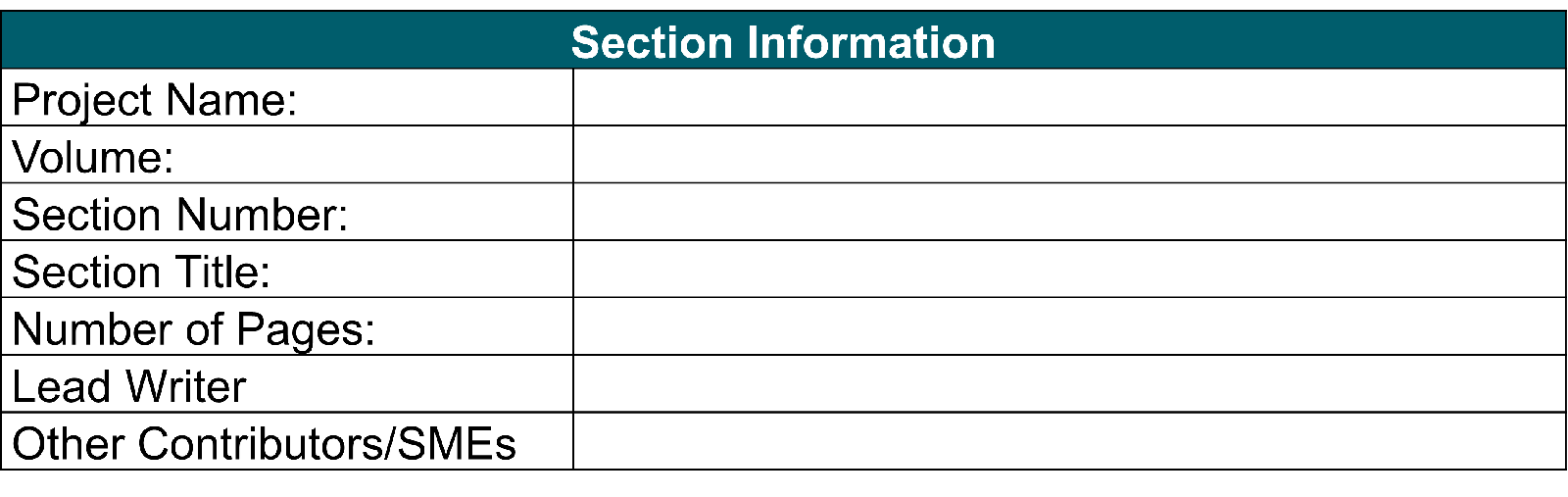
Below is a sample storyboarding template that can be modified to align with your solutioning process. This format helps writers map out proposal content section-by-section, ensuring alignment with requirements, win themes, and the approved solution.


- - - - - - - - - - - - - - - - - - - - - - - - - - - - - - - - - - - - - - - - - - - - - - - - - - - - - - - - - - - - - - - - - - - - - - - - - - - - - - - - - - - - - - - - - - - - - - - - - - - - - - - - - - - - - - - - - - - - - - - - - - - - - - - - - - -


Storyboard Template


Section Information
Compliance Checklist
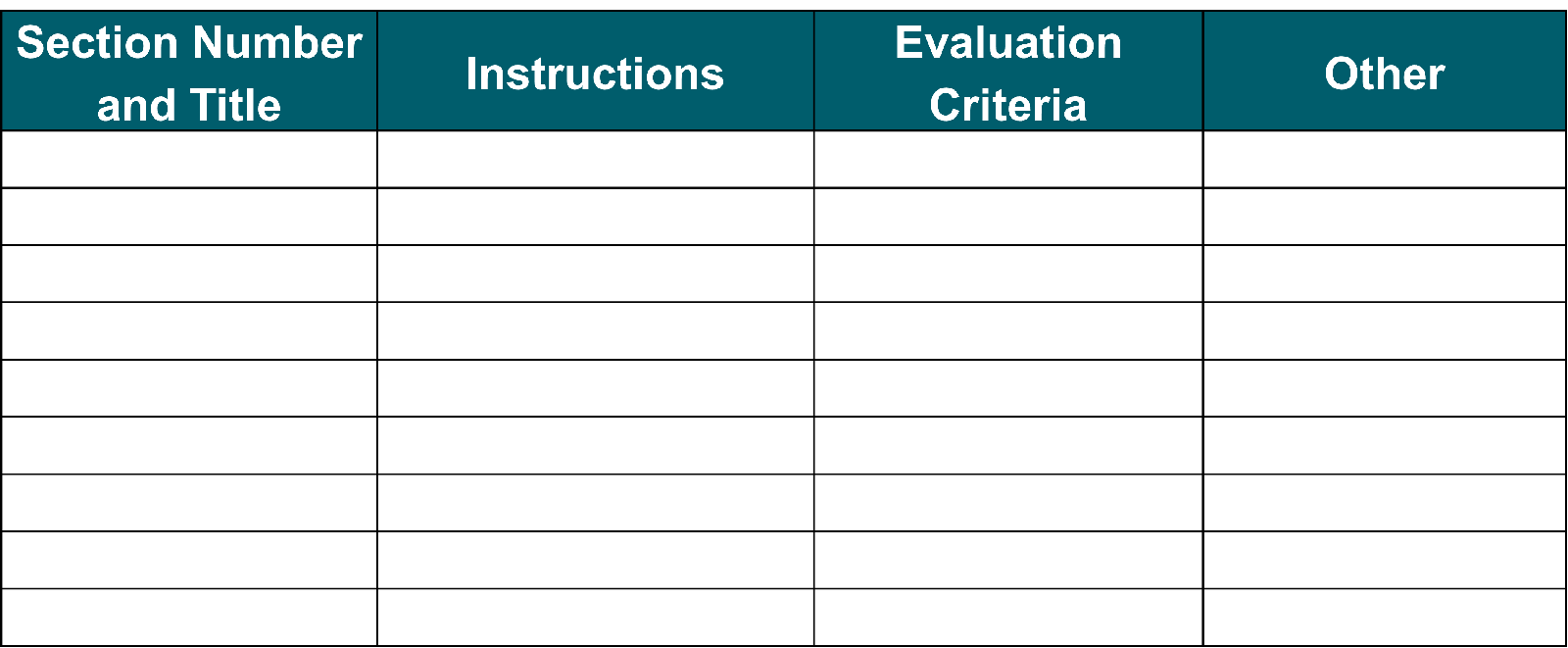
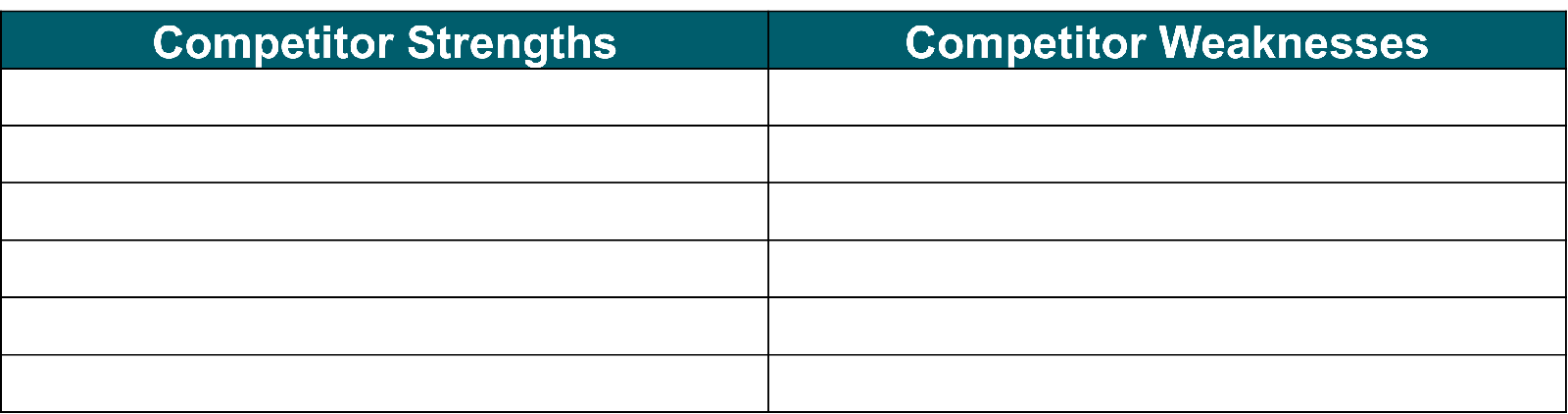
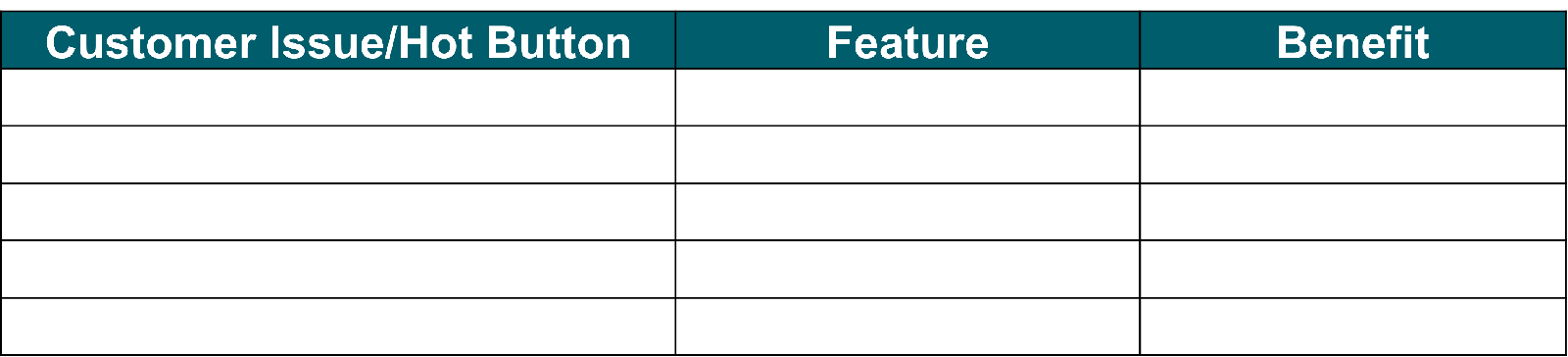
Key Messages and Win Themes

Approach Elements
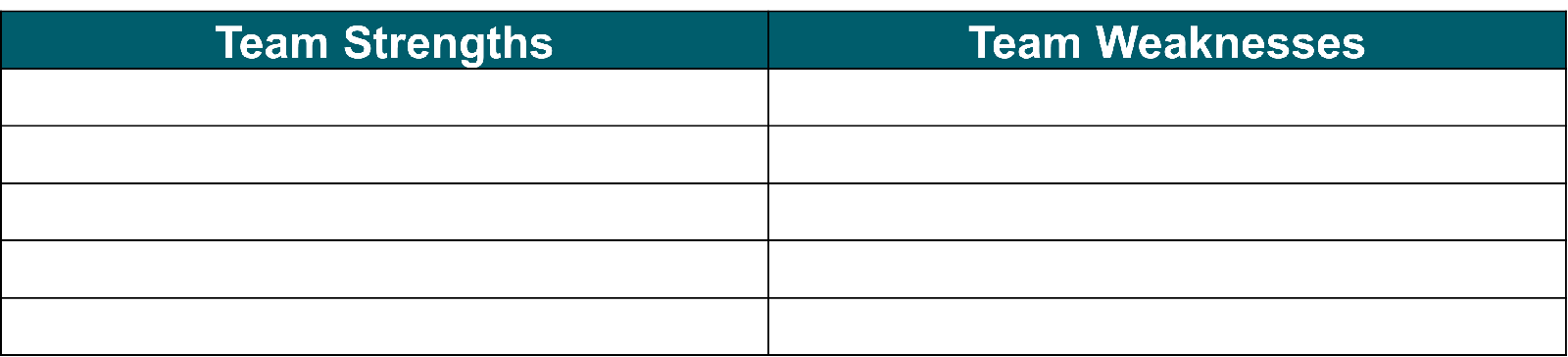
Graphic

Provide a rough sketch, table, photograph, or other graphic draft. Provide a title and action caption for each identified graphic (remember, an action caption highlights a key feature and benefit presented by the graphic). Use additional sheets as necessary.


Content Outline
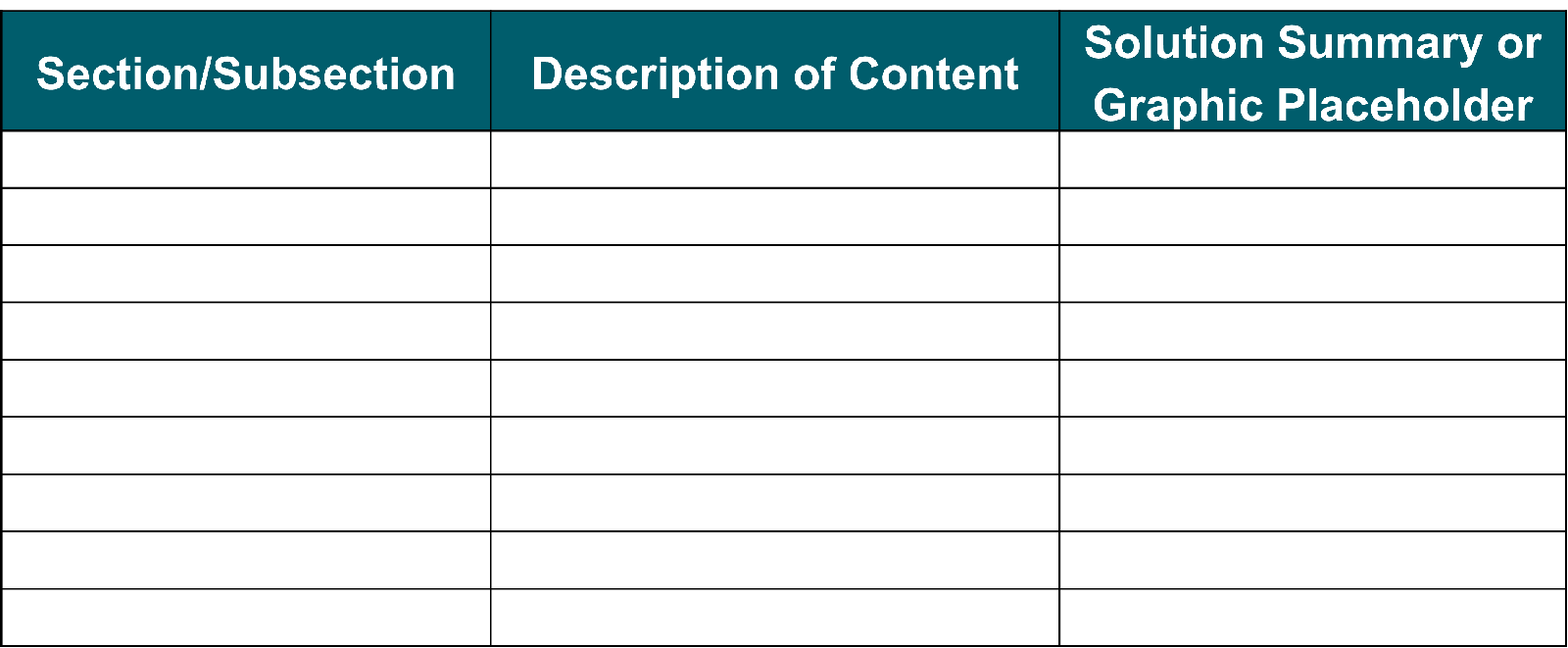
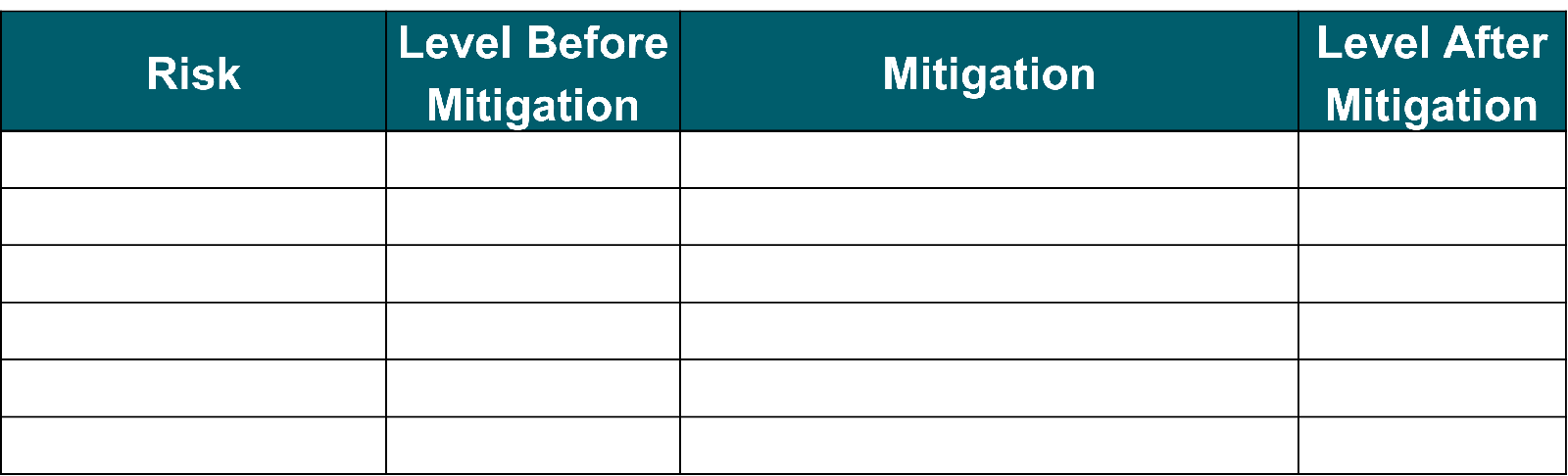
Risks/Gaps/Questions
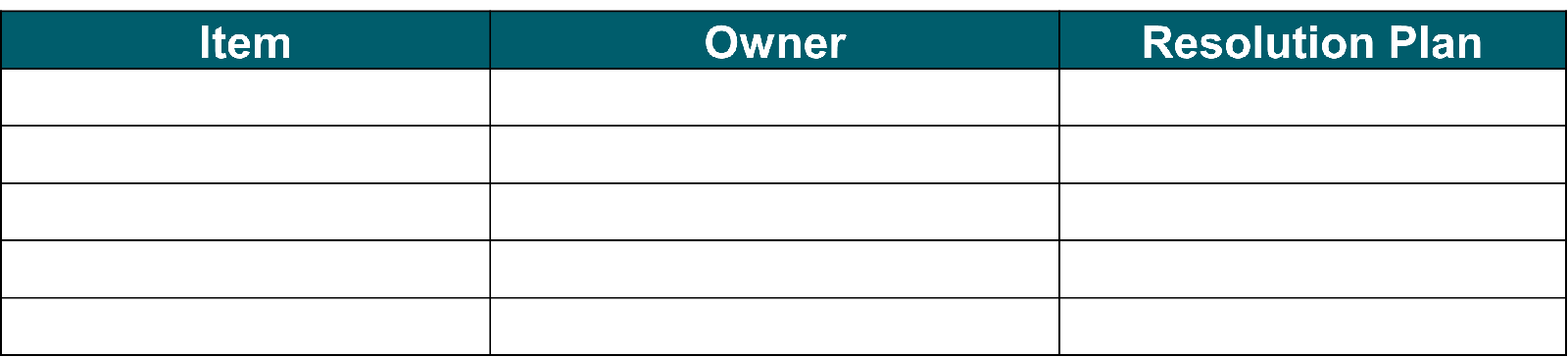


Final Thoughts

Though it’s an often-skipped step, storyboarding is a critical practice that drives proposal success. By translating strategy into structure before any writing begins, storyboarding ensures your response is focused, consistent, and tailored to the customer’s needs.


Storyboarding brings clarity to your messaging, aligns multiple contributors around a shared vision, and helps writers work faster with fewer revisions. It also allows teams to plan compelling graphics, identify gaps or risks early, and maintain compliance with solicitation requirements.


Ultimately, storyboarding helps you do more than just respond—it helps you persuade. It helps turn a collection of inputs into a unified, customer-focused narrative that evaluators can easily follow and score. If you want to improve proposal quality, reduce rework, and increase your chances of winning, start with a storyboard.


Make storyboarding a standard part of your strategic proposal process—and watch the difference it makes.


Originally posted on Proposal Reflections.

Download the Template
By Ashley (Kayes) Floro, CPP APMP March 30, 2026
When was the last time your team truly examined why you won—or lost—a proposal? Every submission your team makes, win or lose, contains a roadmap for doing better next time. Yet many organizations treat each proposal as a standalone event, moving quickly from one bid to the next without pausing to reflect on what worked, what didn't, and why. This is a costly mistake. A structured lessons learned program, built into every stage of the business development lifecycle, is one of the most powerful tools a company can use to sharpen its competitive edge. Conducting Lessons Learned Conducting lessons learned after each proposal submission is a critical part of the business development lifecycle. It helps companies understand where they are excelling and where they need to improve. To ensure the experience is fresh in everyone's mind, each member of the proposal team should document their impressions — both positive and negative — within the first week after submission. Sample questions to consider include: Was the proposal development schedule reasonable and realistic? Why or why not? Were there any bottlenecks or major issues? If so, what were they, and how could they be mitigated in the future? Did the team work well together? If not, how could team dynamics have been improved? How effective was communication among the team? What went well? What could have been improved? Did any unexpected problems occur during proposal development? If so, how could they be mitigated going forward? Did the team stay within its B&P budget? If not, what could have been done differently? What worked best during the capture and proposal effort? What areas require improvement? A practical way to gather and analyze this feedback is to send a survey to each team member using an automated tool, which makes it easier to collate and compare responses. After Action Report Once the results are in, the Proposal Manager should review the feedback and prepare an After Action Report that details lessons learned and recommended next steps. This report should be shared with the full proposal team to ensure that insights are carried forward into future efforts. Lessons Learned Session Additionally, after contract award is announced, the team should conduct a formal Lessons Learned Session to document and discuss observations, findings, and conclusions — win or lose. By understanding where the team encountered roadblocks, and where the customer found gaps in the response, the team can address those issues and strengthen both the process and the final product on future efforts. Equally important: identify what the team is doing well and make sure those practices are preserved and repeated. Analyzing Trends and Updating Standard Operating Procedures (SOPs) Conducting lessons learned after each proposal is valuable, but the benefit compounds when you step back and look at the bigger picture. On an annual basis, review your After Action Reports and lessons learned debriefs as a body of work, and analyze them for recurring themes and patterns. As the year wraps up, whether you follow a corporate fiscal year or the calendar year, ask yourself: What challenges keep surfacing? Where does the team consistently perform well? Sharing these trends with your team creates a culture of transparency and accountability, and helps focus improvement efforts where they matter most. More importantly, translate those findings into action by updating your business development and proposal SOPs. If internal feedback shows the team is consistently scrambling during production, adjust your SOPs to launch the production process earlier. If customer debriefs repeatedly cite a lack of customer understanding, take a hard look at your capture process and strengthen your call plan execution. Continuously refining your processes in response to real data is one of the clearest paths to improved performance—and more wins. Final Thoughts Every organization in this industry wants to win more, and win rates are often cited as the headline measure of a business development organization's health. While they are a useful starting point, win rates alone don't tell the whole story. Too many variables influence any single outcome. What matters more is building the discipline to learn from every effort, regardless of the result. A consistent lessons learned program, paired with annual trend analysis and a willingness to update your processes, creates a feedback loop that makes your team sharper over time. The companies that win consistently aren't just the ones with the best writers or the biggest budgets, they're the ones that treat every proposal, win or lose, as an opportunity to get better.
By Ashley (Kayes) Floro, CPP APMP March 25, 2026
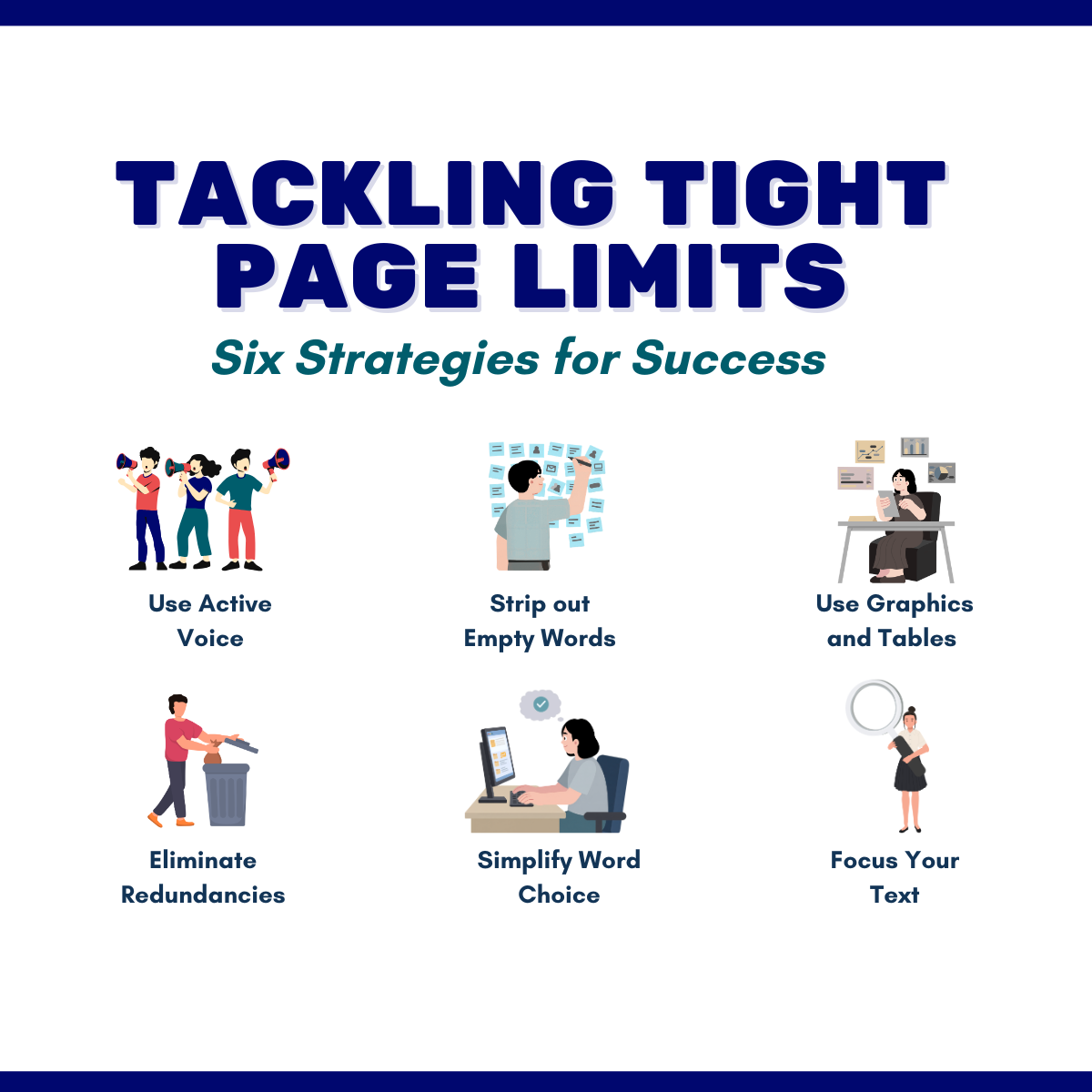
Tight page limitations are continuing to be a challenge as contracting officers streamline their acquisition processes. When faced with tight page restrictions, we often find ourselves struggling with trimming five pages of material into two pages of allocated space. However, sometimes the content we are working with is so long because it is simply overly wordy. In this article, I present six tricks for eliminating waste. 1. Use Active Voice With active voice, the subject of the sentence comes first and performs the action in the sentence. Active voice is more straightforward and concise than passive voice. It typically results in shorter, sharper sentences. So not only does it take up less real estate, it flows better and is easier to understand. Passive: It was decided by the Program Manager to streamline the program. Active, Strong Verb: The Program Manager streamlined the program. 2. Eliminate Redundancies Remove redundancies that take up extra space and don’t add value. I present some examples below.
icons demonstrating how to write clearly
By Ashley (Kayes) Floro, CPP APMP March 23, 2026
In the world of proposal development, there’s a persistent misconception that longer writing signals deeper thinking. Teams sometimes feel pressure to fill pages, add more qualifiers, or expand explanations in hopes that additional words will make their message more persuasive. However, the opposite is often true. Clear writing is powerful because it makes it easy for the reader to understand, evaluate, and remember your message. The goal should be clarity, not volume. The most effective writers know that concise, direct language carries more impact than dense paragraphs and complicated phrasing. In this article, we present seven practical tips to help you write more clearly and effectively. 1. Break Up Long Sentences and Paragraphs Long sentences are one of the most common causes of unclear writing. When a sentence stretches beyond 25–30 words, it is easy for readers to lose track of the main point. Instead of packing multiple ideas into a single sentence, break them into shorter, focused statements. Each sentence should communicate one main idea. Example Less clear: Our team will implement a comprehensive data management framework designed to enhance reporting capabilities while also improving accessibility for users across multiple departments. Clearer: Our team will implement a comprehensive data management framework. This approach improves reporting and makes data more accessible across departments. Shorter sentences reduce cognitive load and help readers absorb information quickly. Similarly, large blocks of text can overwhelm readers. Each paragraph should focus on a single idea or topic. If a paragraph begins to cover multiple points, consider splitting it. Shorter paragraphs make it easier for readers to scan and process information. 2. Avoid Nominalizations Nominalizations occur when verbs are turned into nouns, often ending in -tion, -ment, or -ance. While they are sometimes necessary, they can make writing more abstract and wordier. Whenever possible, convert nominalizations back into strong verbs. Example Wordy: The implementation of the solution will result in the improvement of operational efficiency. Clearer: Implementing the solution will improve operational efficiency. Strong verbs make writing more direct and easier to understand. 3. Choose Strong, Specific Verbs Weak verbs like make, do, provide, conduct, or perform typically require additional words to explain what is happening. Strong verbs communicate action more clearly and concisely. Example Weak: Our team will conduct an analysis of system performance. Stronger: Our team will analyze system performance. Replacing weak verb phrases with precise verbs makes writing sharper and more confident. 4. Remove Unnecessary Words Many phrases in proposal writing add length without adding meaning. Words like very, really, quite, and in order to clutter your sentences. Look for opportunities to tighten phrasing. Examples In order to → To Due to the fact that → Because At this point in time → Now The goal isn’t to eliminate detail, it’s to eliminate filler. 5. Use Active Voice When Possible Active voice makes it clear who is responsible for an action and typically produces shorter sentences. Passive voice can be useful in certain situations, but overuse can make writing vague and indirect. Example Passive: The report will be completed by the team next week. Active: The team will complete the report next week. Active voice improves clarity and accountability. 6. Use Lists When Appropriate When presenting multiple related items—steps, benefits, features, or requirements—lists can improve readability. Lists allow readers to quickly understand key points without digging through dense paragraphs. They also highlight structure and make complex information easier to follow. Final Thoughts When readers can quickly understand your message, they are far more likely to absorb your ideas and act on them. Remember: strong writing isn’t measured by how many words you use. It’s measured by how clearly those words communicate your message.